
How Often Should You Really Adjust Braces? What Patients in Benbrook Can Expect
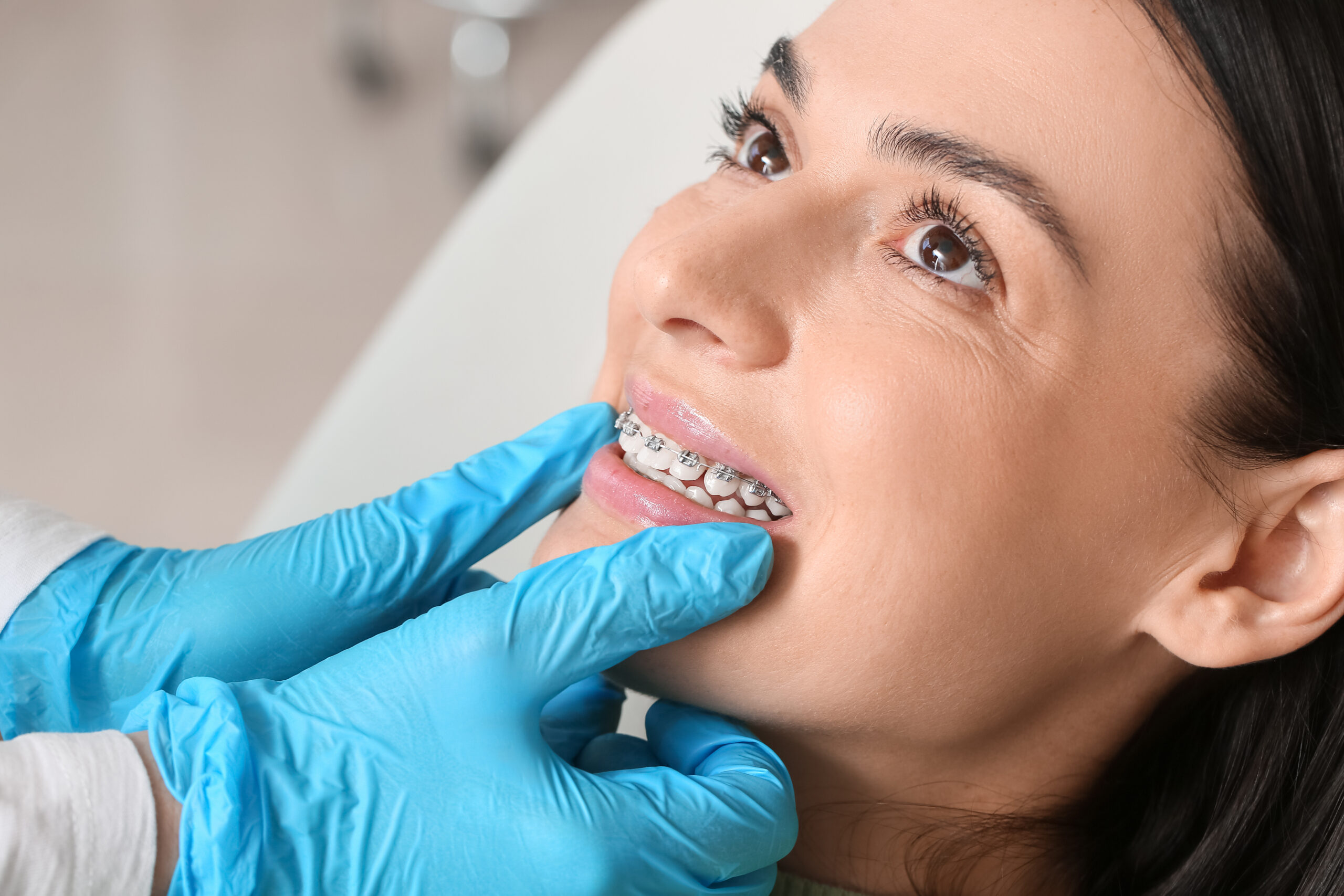
Getting braces is a big step toward achieving a healthy, confident smile. For many patients, especially those in Benbrook and surrounding areas, one of the most common questions after getting braces is: “How often will I need adjustments?” Understanding the process can help ease concerns, set realistic expectations, and ensure that your orthodontic journey is as smooth as possible.
The Purpose of Braces Adjustments
Braces work by gradually shifting teeth into the desired position using brackets, wires, and sometimes elastic bands. However, teeth don’t move on their own—they need gentle, consistent pressure applied over time. That’s where braces adjustments come in.
During an adjustment appointment, your orthodontist evaluates your progress, tightens or changes wires, and may add or modify elastics or other appliances. These small but important changes ensure that your teeth are moving correctly and on schedule. Without regular adjustments, treatment can take longer, and the results may not be as precise as intended.
Typical Adjustment Schedule
While every treatment plan is personalized, most patients can expect to have braces adjusted roughly every four to six weeks. Some cases may require more frequent visits, particularly if your orthodontist is using specific techniques or appliances to correct complex bite issues. Conversely, certain modern braces systems may extend the interval between adjustments slightly, thanks to advanced materials that apply consistent pressure over time.
It’s important to remember that even a few days’ delay in adjustments can affect the overall timeline of your treatment. Regular visits are not just about tightening wires—they are opportunities for your orthodontist to monitor progress and make critical corrections.
What Happens During a Braces Adjustment
For those new to braces, an adjustment appointment might feel a little intimidating. Typically, here’s what you can expect during a visit:
- Examination and Assessment – Your orthodontist will carefully check how your teeth have moved since your last appointment. They will also inspect the health of your gums and check for any irritation caused by brackets or wires.
- Wire Changes and Tightening – Depending on your stage of treatment, your orthodontist may replace the archwire with a thicker one or simply tighten the existing wire to continue moving your teeth gradually. This is the part that applies gentle pressure to guide teeth into alignment.
- Elastic Bands and Additional Appliances – If you’re using rubber bands to correct bite issues, your orthodontist may adjust the bands’ placement or strength. Some patients may also have other appliances like springs, expanders, or headgear incorporated at this stage.
- Oral Hygiene Check and Tips – Maintaining excellent oral hygiene is critical while wearing braces. Your orthodontist or staff may provide cleaning tips, flossing techniques, or recommend special brushes to keep your teeth and braces in top condition.
- Timeline Update and Next Appointment – Finally, you’ll discuss progress and set your next appointment. This helps keep treatment predictable and allows you to plan around school, work, or other commitments.
Comfort Considerations
It’s normal to experience mild discomfort for a few days after each adjustment. Teeth may feel sore, and your mouth may need a little time to adapt to the new pressure. Over-the-counter pain relievers, soft foods, and warm saltwater rinses can help ease any temporary discomfort. While this adjustment period is a normal part of the process, if pain is severe or persistent, it’s important to contact your orthodontist promptly.
Factors That Influence Adjustment Frequency
Several factors can affect how often you need to come in for adjustments:
- Age and Growth – Younger patients may experience faster tooth movement, sometimes requiring more frequent adjustments. Adults’ treatment tends to progress slightly slower, but the schedule is still consistent.
- Treatment Complexity – Some cases, such as correcting overbites, underbites, or severe crowding, may require additional or more frequent visits to ensure precise results.
- Patient Compliance – Following your orthodontist’s instructions regarding rubber bands, headgear, and oral care plays a major role in the effectiveness of treatment. Skipping bands or neglecting oral hygiene can prolong the process and necessitate extra appointments.
- Type of Braces – Traditional metal braces, clear ceramic braces, and self-ligating systems all have slight differences in adjustment needs. Your orthodontist will tailor the schedule based on the braces system that best suits your needs.
Making the Most of Your Adjustment Appointments
To ensure each appointment is productive and as comfortable as possible, consider the following:
- Plan Ahead – Try to schedule your appointments around less busy times in your week, so you can rest if your teeth feel sore afterward.
- Stay on Top of Oral Hygiene – Clean teeth move more efficiently and reduce the risk of cavities or gum irritation.
- Follow Your Orthodontist’s Instructions – Whether it’s wearing elastics, avoiding certain foods, or caring for appliances, your compliance directly impacts the speed and success of your treatment.
- Communicate Any Concerns – If you notice broken brackets, loose wires, or unusual discomfort, reach out to your orthodontist promptly rather than waiting for the next scheduled adjustment.
Benefits of Regular Braces Adjustments
Consistent adjustments provide numerous benefits beyond moving teeth into place:
- Faster Treatment Times – Regular progress checks help keep your treatment on track.
- Improved Comfort – Minor corrections at each visit prevent larger, more uncomfortable adjustments later.
- Better Results – Frequent monitoring ensures teeth align correctly and bite issues are addressed early.
- Healthier Teeth and Gums – Regular visits allow your orthodontist to detect any early signs of decay or irritation before they become problems.
Planning Around Life in Benbrook and Godley
Many patients in Benbrook and Godley are busy with school, sports, work, or family obligations. Perkins Orthodontics understands the importance of convenience and schedules appointments to minimize disruption. With flexible appointment options and multiple locations, maintaining your regular adjustment schedule is easier than ever, ensuring your treatment progresses efficiently while fitting into your daily life.
Your Path to a Healthy Smile Starts Here: Schedule with Perkins Orthodontics
If you or your child are beginning braces or are already in treatment, understanding how adjustments work is key to achieving a healthy, confident smile. Braces adjustments aren’t just routine—they’re an important part of guiding teeth into their proper positions for long-lasting results.
At Perkins Orthodontics, your trusted orthodontist in Benbrook, and also serving Godley, TX, we provide individualized care in a comfortable, supportive environment. From your initial consultation to ongoing adjustments, our team is committed to making your orthodontic experience smooth and effective.
Keep your braces journey on track and ensure the best results for your smile. Contact Perkins Orthodontics today to schedule your next adjustment!